
About this articleThis article was prepared in collaboration with the Sellsy teams. Sellsy is a complete CRM suite that helps you boost your prospecting and acquisition, but also simplify and optimize your invoicing processes and the management of your business in the broad sense.
To find out more about Sellsy, this way 👇
The sales pipeline is at the heart of sales operations. A reporting tool, an operational tracking tool and even an analysis tool, it is essential for tackling sales processes.
But you still have to build it, and use it properly. How do you build it? What are the components of a sales pipe? How do you use it to optimize your sales processes? How do you maintain it over time?
In this article, Sellsy shares all its secrets to get the most out of your sales pipeline.
What is a sales pipeline, and what is it for?
DefinitionThe sales pipeline is a visual representation, usually chronological, of all the sales opportunities a company has in progress. The term “pipeline” is closely tied to the “sales tunnel” (also called the “funnel”). Opportunities go in, and closed sales come out.
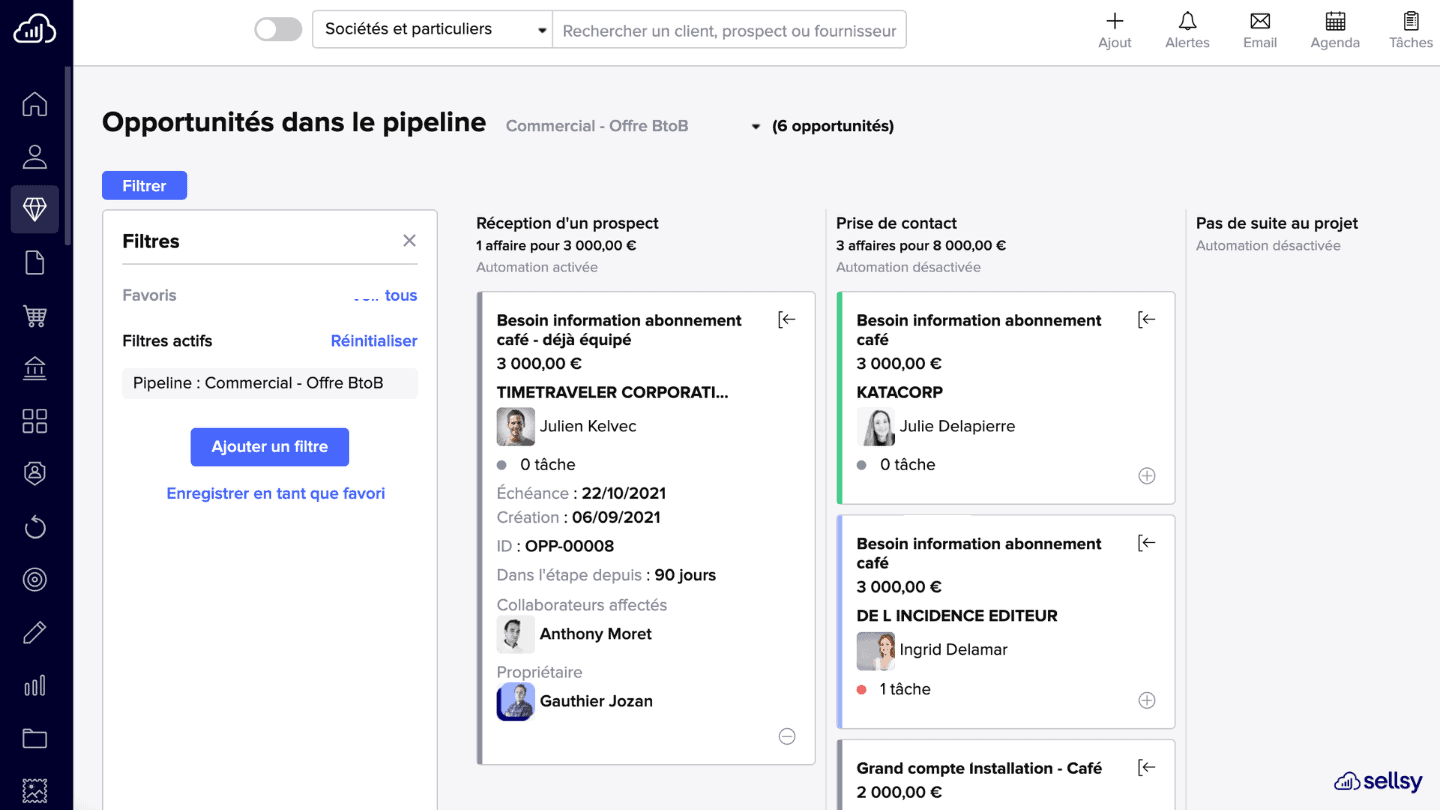
The sales pipeline is at the heart of B2B sales operations, and for good reasons. At a glance, it lets you represent and estimate:
- The total potential value of the opportunities in progress
- The sales cycle
- Sales performance (conversion rate) at each sales stage
- The sales performance of each member of your teams
- The sales overcapacity or undercapacity of your teams
What are the main stages of a sales pipeline?
1. Prospecting and / or generating new leads
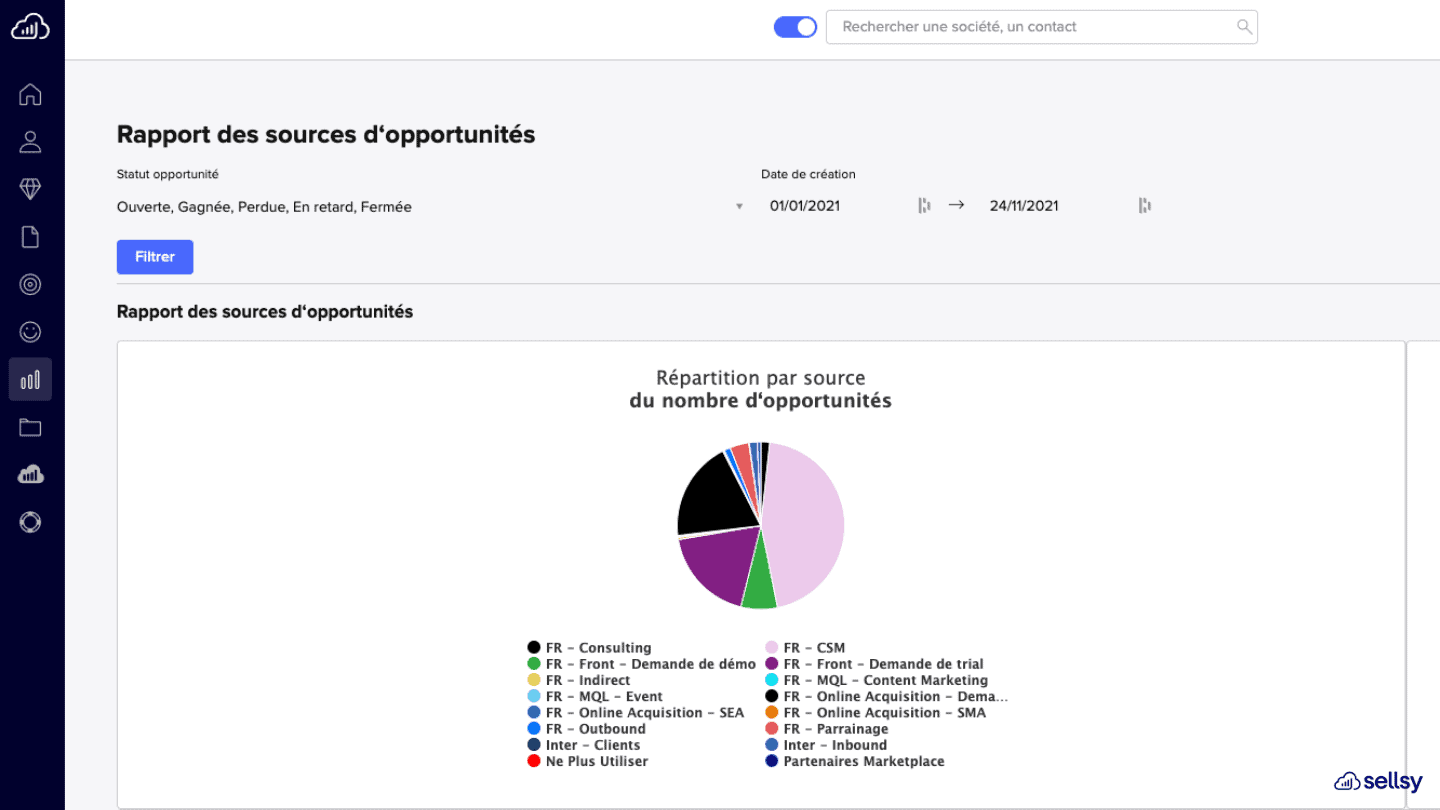
This covers all the prospects who enter the sales tunnel. It’s the “top line”.
Go further
2. Qualification
Schools of thought vary a lot here. If you think in terms of sales actions, this means first contacts, qualification calls or meetings. If you take a flow view, it’s concretely about determining whether the sales opportunity can be worked by the sales teams. Some use BANT, others MEDDIC, CHAMP, ANUM, etc. There is no shortage of frameworks.
3. Evaluation and negotiation
This is a bit of the “soft underbelly” of sales processes, and probably the stage that changes the most from one company to another. Sometimes a single meeting is enough to move toward a proposal. For more complex sales, it can take several meetings, with several stakeholders. Frameworks are rather less common at this stage, but it is just as fundamental to mark it out properly to identify key steps and actions.
Go further
4. The proposal
Sometimes very short, sometimes much more complex, this is the stage where you build the sales proposal, and negotiate with the buyer if needed.
Go further
5. Closing
This is where the sale becomes real. It’s a fundamental stage if you want to speed up sales cycles. You have to go all the way to invoicing, and even onboarding and referrals.
Go further
- A complete guide to closing
- Top 10 best invoicing software
How to build an effective sales pipeline
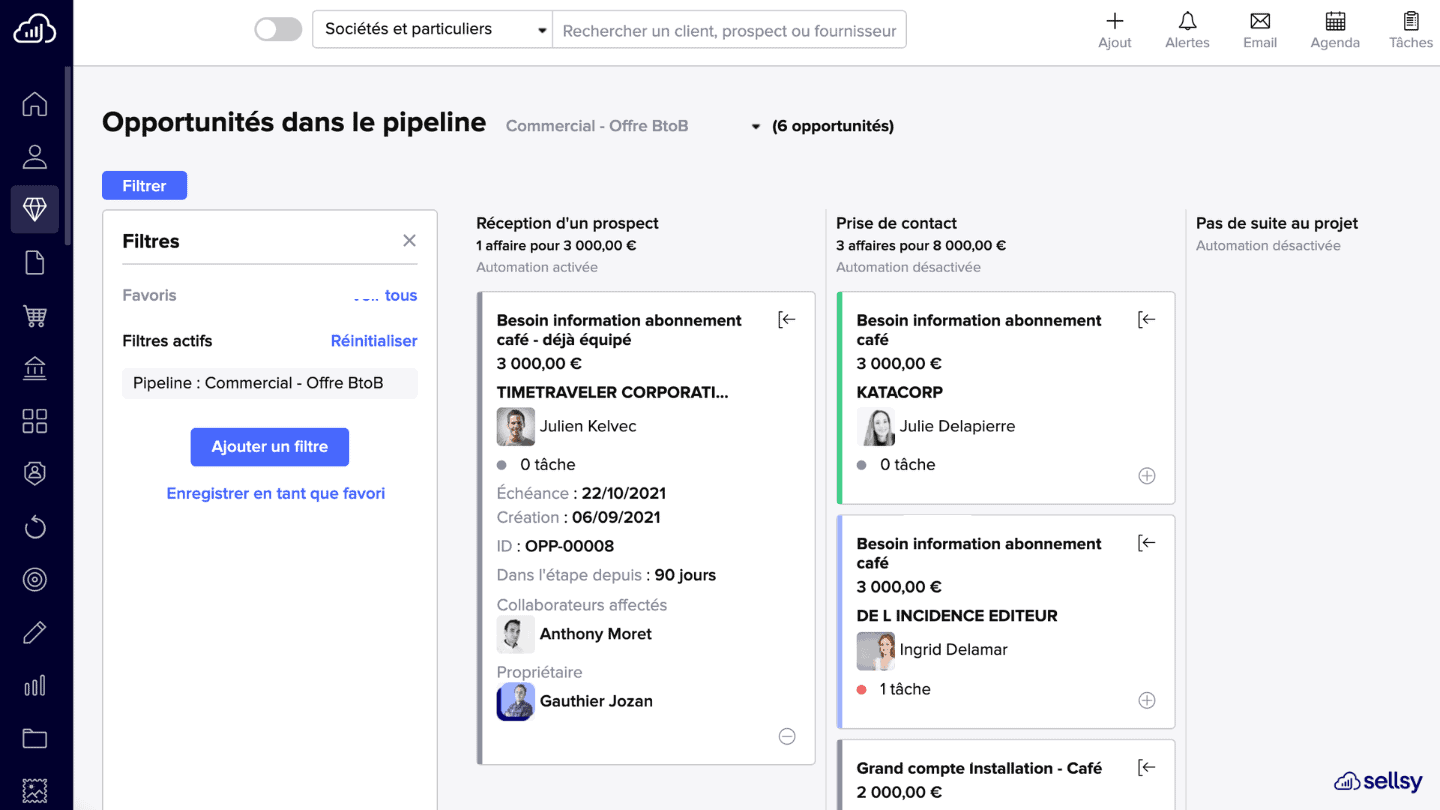
Define the stages of your sales pipeline
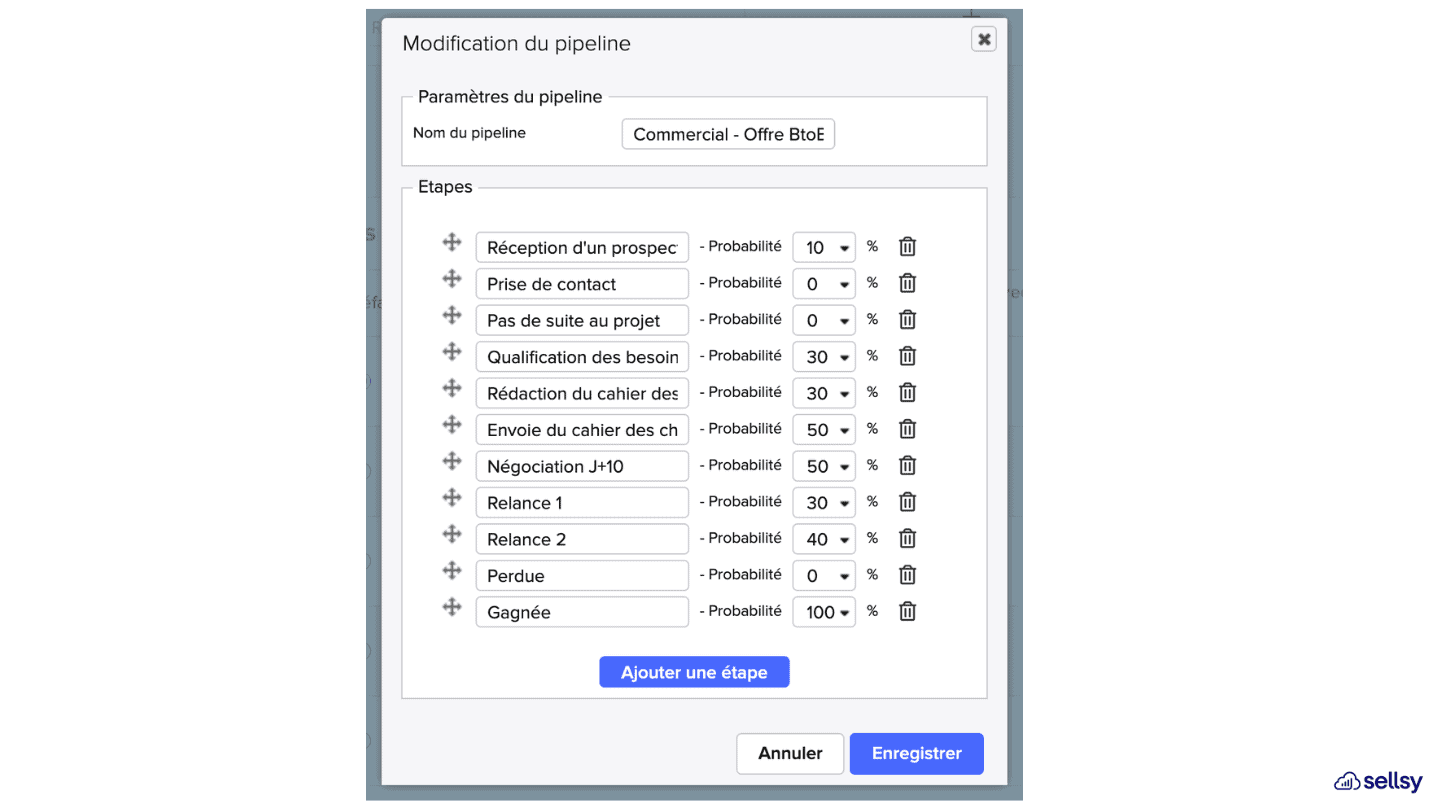
To build an effective sales pipeline, you first need to define the stages of that pipeline.
- Start by thinking about your customers’ decision and buying processes: how do they approach a purchase? What drives their decisions?
- In 10 minutes, try to list the sales stages that match your customers’ “buying stages”.
- Go over all your typical sales scenarios and make sure the sales stages you have defined fit each of them.
- Now go over these sales stages with your whole team, to gather their feedback and make sure they understand why the stages matter. Also make sure everyone agrees on the KPIs at each stage or segment of the pipeline.
- In a month or two, you can refine the stages. If some are confusing, don’t hesitate to rename them, delete them, or add new ones to reflect more accurately what happens in your pipeline.
Define the sales actions that move a lead forward in the sales pipeline
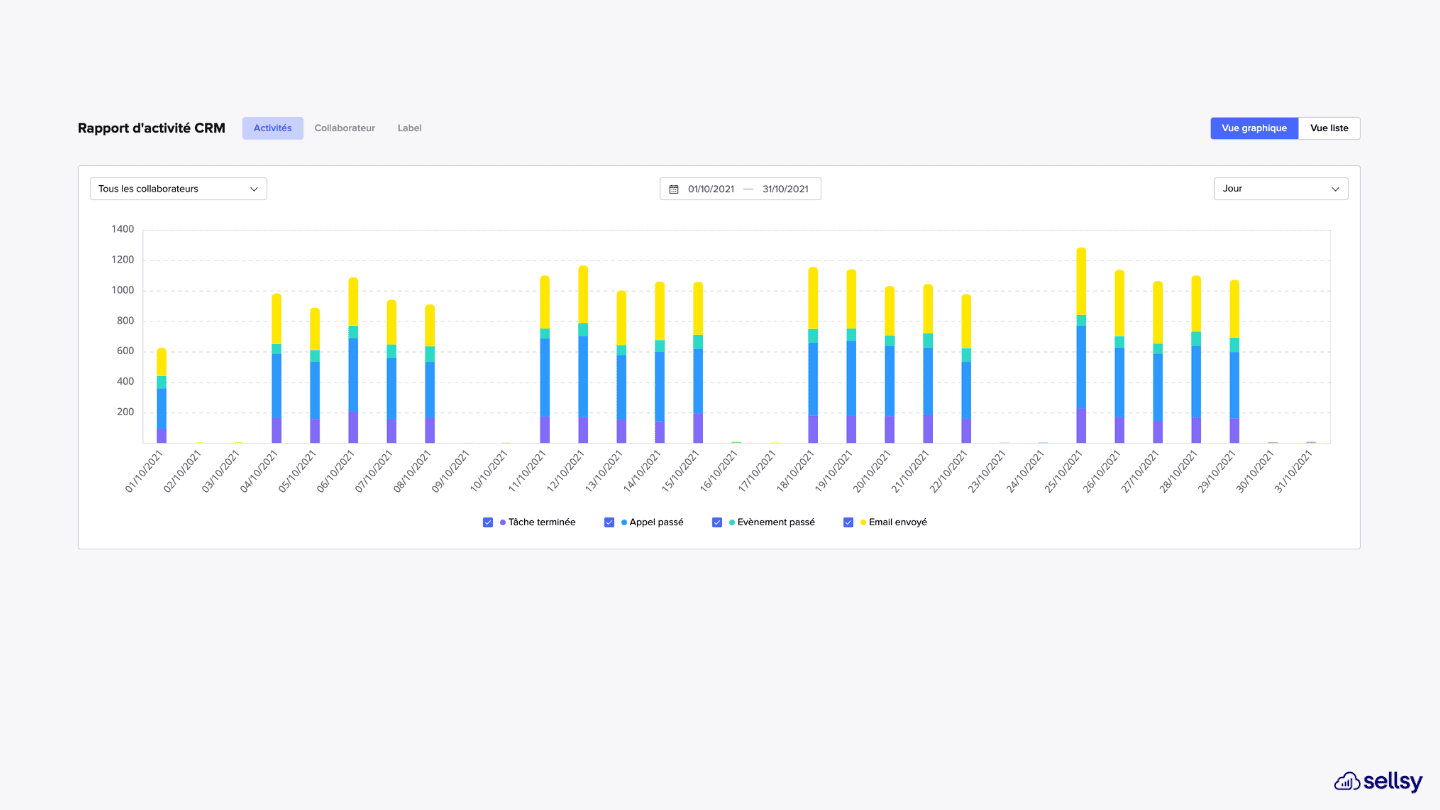
Once you have determined the stages of the pipeline, you need to define:
- The conversion rates at each stage
- The sales actions that move you from one stage to the next.
Put simply, a sales pipeline can have lots of holes, and the prospects you bring into it can drop out before the end. So you absolutely have to work out your conversion rate. What percentage of the people you contacted end up buying?
Start from your own stages. For example, take the following stages:
- Qualified leads
- 1st meeting
- Proposal sent
- Contract won
For each stage, you need to calculate the conversion rate and then determine the actions to take to reach the next stage.
For example, if you need to make 50 calls to different prospects to close 2 sales, your conversion rate is 2/50 = 0.04, or 4%. From this rate and the number of sales you want to make, you can now calculate the number of calls you want to make during your first prospecting stage.
To sign a contract, you may find that you need:
- A first call to set up a meeting
- Two meetings to uncover needs
- Two draft proposals
- One call to negotiate the contract
- 10 to 15 emails throughout the process.
Watch outAs with any analytical approach, the key almost always lies in segmentation. Trying to build a single framework to explain all your processes and performance is an intangible ideal, and not very workable. It is fundamental for a sales pipeline to be as representative as possible of operational reality, even if that means having several of them when you have several sufficiently different sales processes.
Set the right goals at each stage of your pipeline
To define the actions to carry out at each stage to reach your goals, you need to break these overall goals down into sub-goals for each stage.
The idea is to set good goals at each of these stages. Let’s start with a figure: more than 80% of companies set the wrong goals for their salespeople, meaning goals they cannot reach.
Setting a good goalA good sales goal is not necessarily a high-performance goal. Here, we focus instead on how to set good sales goals so you can manage your sales pipeline effectively and get the results you want.
Keep in mind that you cannot control results, only your own actions. But you can still reach your sales goals by setting these sub-goals. In fact, the results that come from carefully planned and managed activities can far exceed any results you may have set for yourself in the past.
The idea is to end up with sales activity goals for your teams, rather than performance goals alone.
On top of that, you get a much more predictable pattern. You know with near certainty that your goals will be met if:
- You generate X qualified leads per day that your SDRs can handle.
- Your SDRs make X cold calls, and get an average of Y meetings per day.
- Your Account Executives manage to convert Z meetings into opportunities in 2 meetings, over two weeks.
- You then convert Z’ of these opportunities into sales.
How to use your sales pipeline to boost performance
Once you have a solid database and you have created a good, well-segmented sales pipeline ready to welcome new prospects, the idea is to give it a bit of pep. To do that, you can work on 4 levers of your pipeline:
- Boost acquisition to grow the number of opportunities
- Generate bigger opportunities
- Optimize conversion rates at each stage of the sales pipeline
- Speed up the sales cycle by speeding up each stage of the pipeline
1. Boost acquisition to grow the number of opportunities
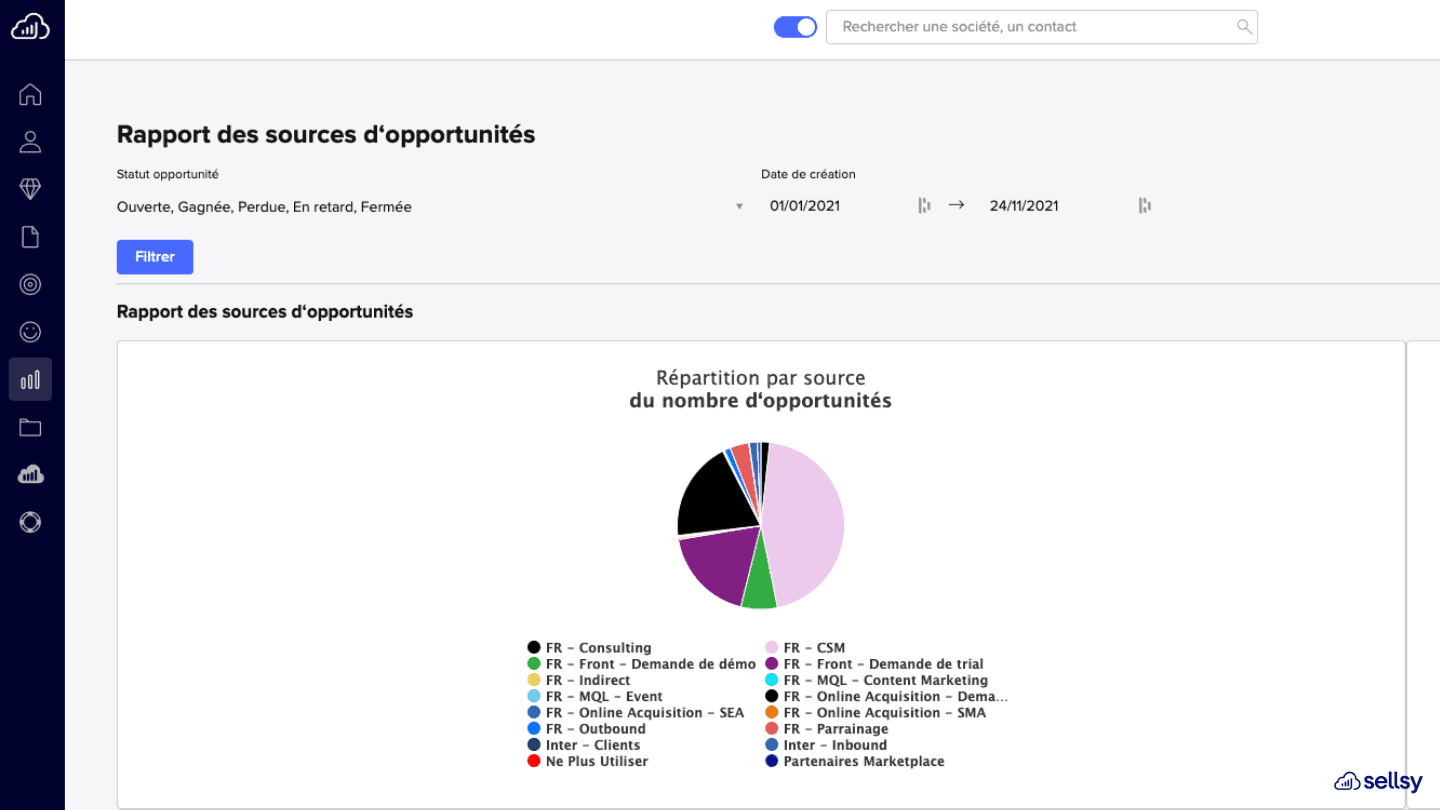
There is no magic formula for signing more deals: if you want more contracts at the end of your pipeline, you have to multiply conversations with prospects at the start of the pipeline and keep them going. The idea is to maintain a continuous flow of conversations in your pipeline. To do that, 3 tips:
- Set yourself a daily or weekly goal: for example, the number of new opportunities your sales team must bring you each week. Depending on the length of your sales cycle, you won’t necessarily see the results right away, but it can really increase your revenue.
- Keep acquisition going at all times: you need to stay in the habit of feeding your list of new prospects to create an uninterrupted flow in your pipeline.
- Be creative when building this list: it’s hard to avoid a classic list of prospects to call and follow up, but you can enrich this list with these few tips:
- You can ask your existing customers for referrals, but also question the prospects who didn’t sign. Every “no” can still help you build your pipeline.
- Also don’t hesitate to go through your contact list, getting back in touch with those you haven’t spoken to in months, including those who said “no” at first.
- Stay in touch: for example, job changes are a very good excuse to start a conversation. LinkedIn lets you follow when your friends and professional contacts are mentioned in the news.
Get into the habit of constantly looking for new sales opportunities to place new conversations in your sales pipeline.
2. Generate bigger opportunities
To land bigger, more profitable contracts, you obviously have to be ambitious, but that’s not all: even a small company can do it by managing its pipeline properly and adopting the right mindset.
- Picture yourself closing big contracts
It may sound a bit cliché, but sales success also comes down to self-confidence. If you believe in it, you will find it much easier to find ways to make your vision happen.
Salesdorado’s tipTry it. Start by picturing yourself closing a huge deal. How do you make that deal a reality?
Based on what you imagined, set yourself activity goals: approach several companies with bigger budgets or offer add-ons with each proposal, or both.
- Try to understand how large companies buy
Every customer is different and it’s hard to know how each of them works.
- Focus on large companies with bigger budgets
The bigger the customer, the more people knock on their door and the less time they have to give you. It can be a little discouraging, but if you want to land the biggest deals, you have every interest in finding ways to get their attention.
- Embrace upselling and bundle several products and services into one offer
Upselling lets you increase the size of your sale and serve your customers better. A very simple example: you are on a site where shipping is free above an amount higher than the price of two products.
3. Optimize conversion rates at each stage of the sales pipeline
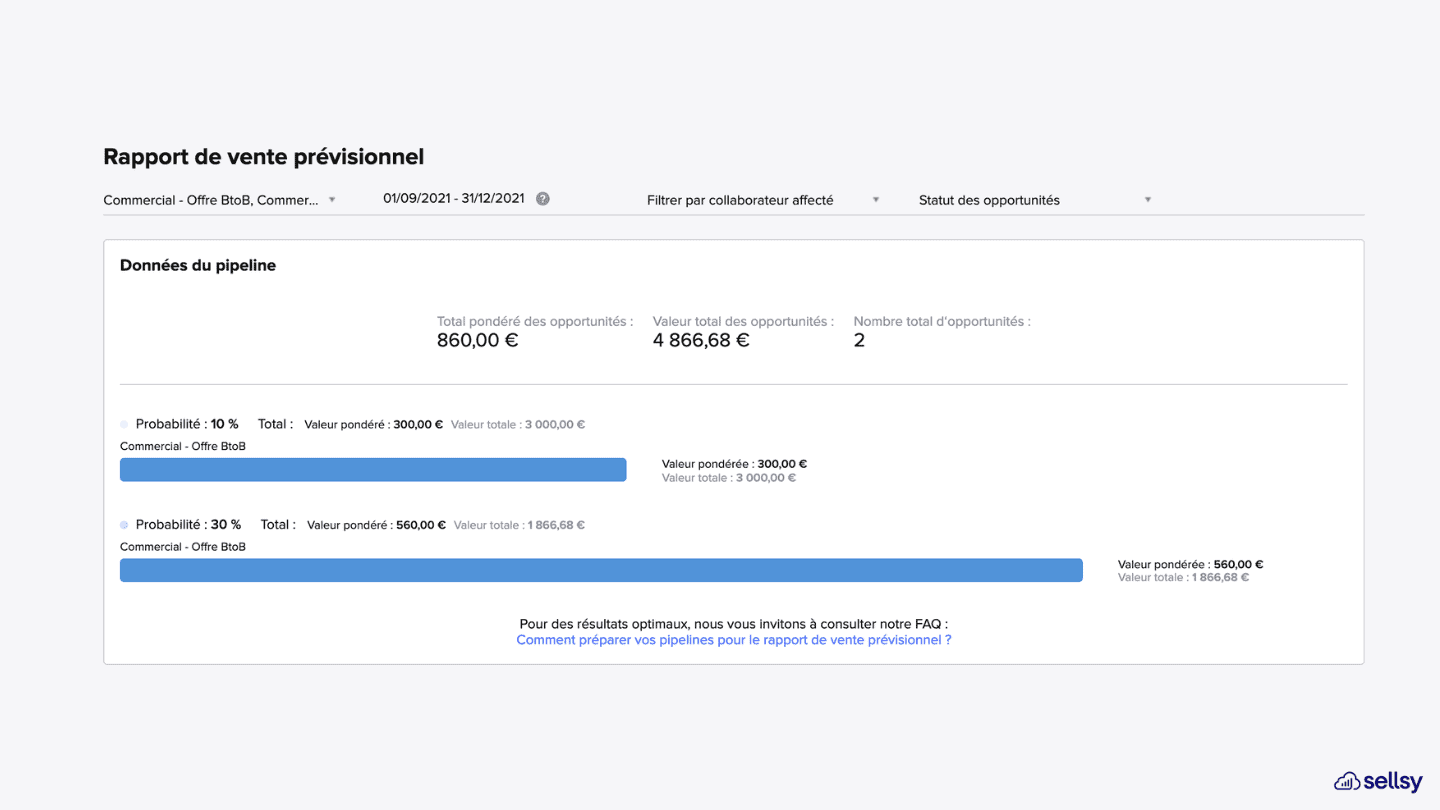
Another possible lever is to plug the leaks in your pipeline to increase your conversion rate.
- Work with the right people
Your prospect list contains several types of people: decision-makers, influencers and gatekeepers. It’s relatively easy to get in touch with influencers, but they will take up too much of your time and bring you very little.
Decision-makers, on the other hand, don’t have much time to waste and can give you a yes or a no on their own. If you find that you can’t reach the right people, or that you can’t get past the barriers, you may need to work on those skills.
- Don’t wait to be invited
Many companies have set up elaborate processes for buying goods and services: calls for tenders, requests for quotes, etc. The problem is that, in most cases, the prospect has already made up their mind by the time the request is sent.
It’s much easier, and more effective, to help prospects form an opinion than to try to convince reluctant customers. Be proactive and go out and find new customers yourself.
- Drop bad prospects as quickly as possible
At the risk of repeating ourselves, looking for new opportunities matters more than trying to persuade someone to buy. To be effective, you need to define a good buyer profile and then stick to it: as soon as you talk to a prospect who doesn’t fit that profile, move on quickly.
- Get to know your potential customers’ business better than your competitors do
This is the key to success: if people or companies buy, it’s to satisfy a need or a want. If you manage to understand them and then do your best to meet your prospects’ wishes, you will see a spectacular increase in your sales.
4. Speed up the sales cycle by speeding up each stage of the pipeline
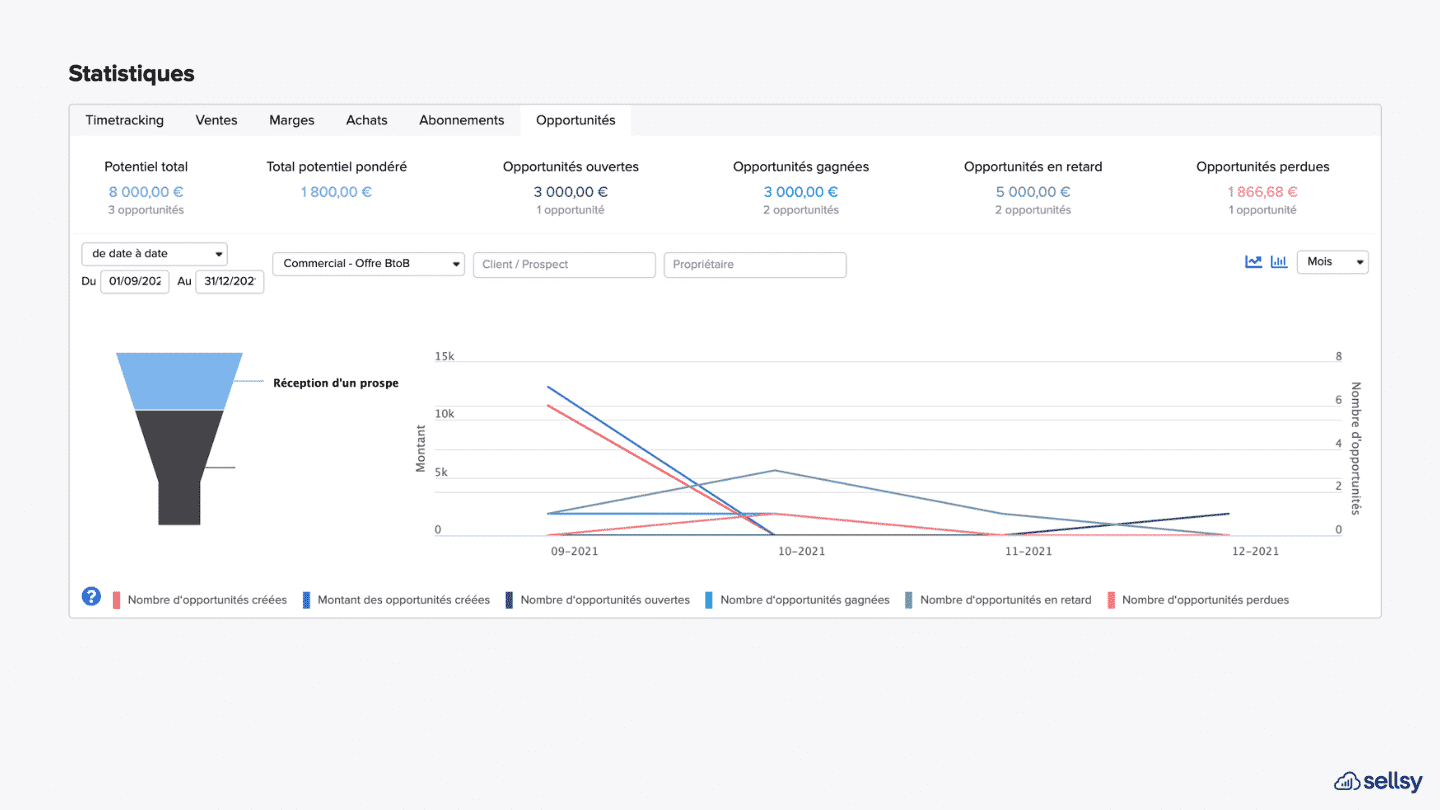
A quick question: in your opinion, how long should a prospect think before making a decision? That’s right, it’s up to you to decide how long a decision takes by speeding up your sales process.
- Try to understand the decision process of the companies you’re interested in
It’s hard to push someone to go faster than usual, especially when you don’t even know how fast they usually go. On the other hand, finding out that speed is very easy: ask them! At each stage, ask your prospect what they would need to move on to the next stage of your pipeline.
Doing this several times will teach you how decisions are made in a particular company, or even in an entire industry.
- Break a prospect’s annoying habit of “thinking it over”
Salespeople, especially newcomers, are often reluctant to push prospects a little. But you have every right to: your prospects need to think, but not that much.
Salesdorado’s tipWhen a prospect tells you they need time to think, you can ask them what their doubts are and what additional information might interest them. If they tell you they need to discuss it the next day with someone else, you can offer to call them back the day after that discussion to move on to the next stage.
This kind of gentle pressure can move conversations forward faster, or even trigger an immediate decision.
- Know when to step back
If a prospect has been in your sales pipeline for a long time, chances are you won’t be able to close them. If there is nothing you can do to move your prospect to the next stage, it may be time to set them aside.
This isn’t about turning your back on them completely, but about focusing on the deals that can be closed: put this prospect in the “I’ll come back in six months” category.
A few best practices for an effective sales pipeline
1. Purge your sales pipeline
The idea is for your reps to always stay focused on the interesting prospects, by purging your pipeline of dead leads. It also lets you spot silent leads and try to save them.
To do that, you can start by defining when to move a prospect from the main pipeline to your lost prospects pipeline. For example, if there has been radio silence for more than 30 days, you can remove that contact from the main pipeline to make room for new leads.
But when should you remove a lead from your pipeline altogether? There are obvious signs:
- They clearly tell you they’re not interested
- They buy from a competitor
- They stop answering altogether.
But you can also create your own definition of a dead prospect based on your experience with customers. For example, has a prospect stayed in your pipeline longer than your average sales cycle without making progress? Or was a prospect excited about your product but turned down by the managers in their company?
Salesdorado’s tipBefore removing a prospect from your pipeline for good, send them a breakup email. It gives them one last chance to convert before you end the relationship.
2. Prioritize your leads
New stage, new challenge: your salespeople are swamped by the number of new prospects coming in. Congratulations! You will still have to prioritize your leads, though. To optimize the time your reps spend on new prospects, it is essential to rank them in order of priority based on how well they fit your product and their chances of closing.
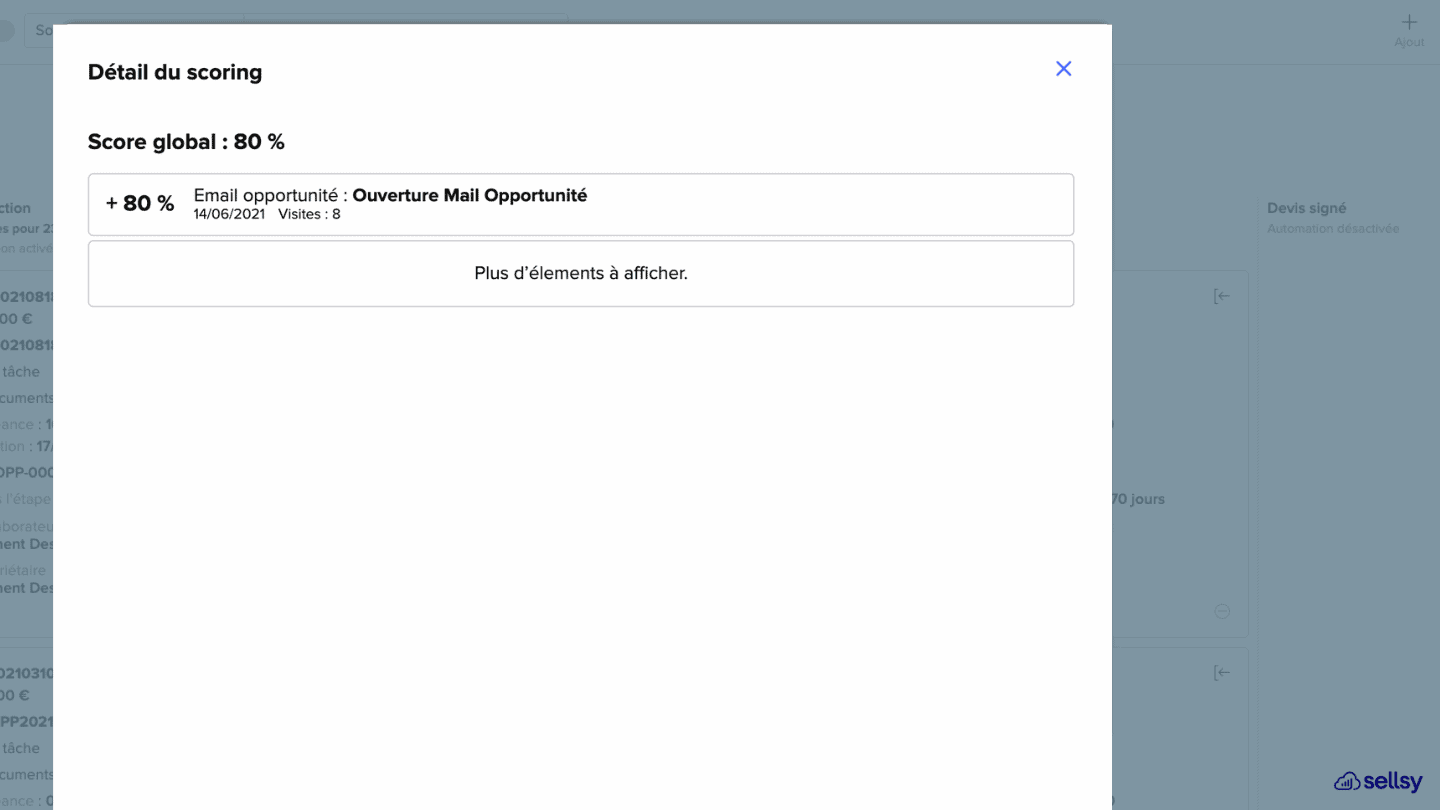
In other words, you need to set up a prospect scoring system, or lead scoring.
Basically, it means defining the specific actions and behaviors that systematically show up in your best customers, then setting up a points system to assign to your new prospects.
Go further
3. Analyze the individual performance of your salespeople
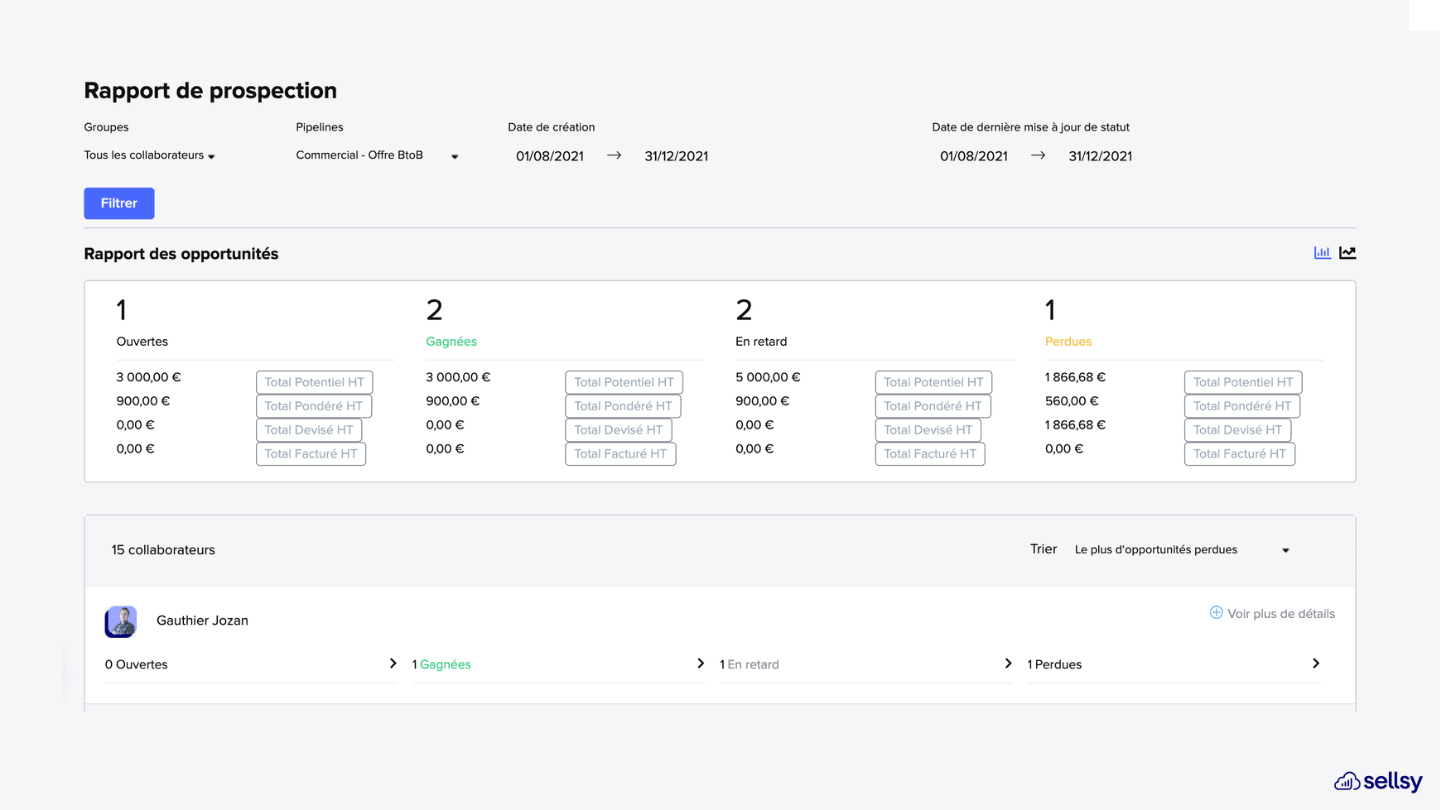
Every salesperson has strengths and weaknesses, and you can understand them easily by digging a little into your data: the number of calls made, emails or text messages sent, leads created, call length, etc.
Software like Sellsy even gives you charts for each rep so you can analyze their performance.
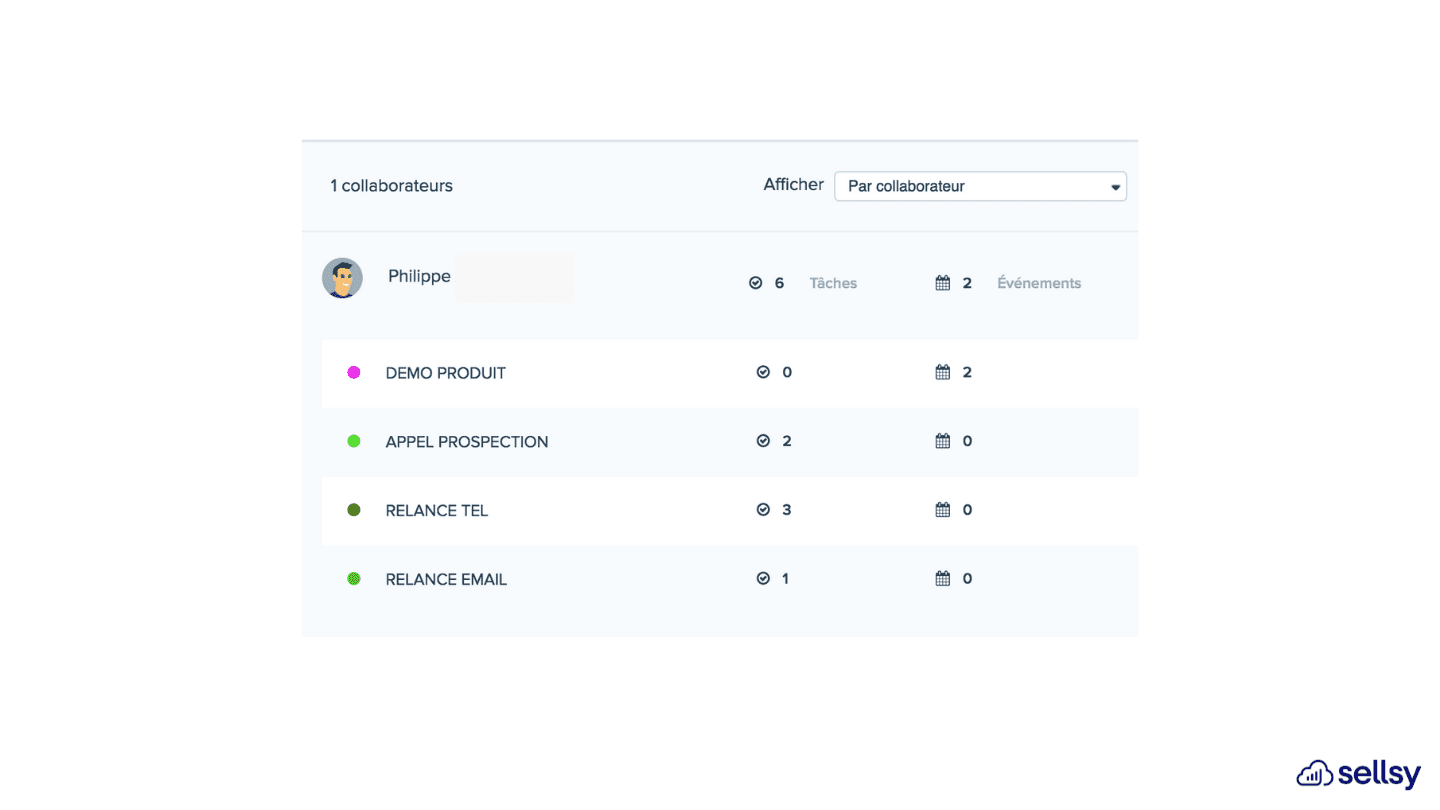
Then you can match the reps who perform best in certain areas with the right tasks and the right prospects. If one of them isn’t very comfortable with product demos, pair them with a rep who is particularly good at it so the two complement each other and maximize your results.
4. Systematize everything you can
To save time, it is essential to systematize the most common actions in your pipeline.
Normally, if your pipeline is well built, your reps always know what they need to do. But by including reusable templates, you make their lives easier and the stages follow one another faster.
For example, you can set up cold call scripts and prospecting email templates. Likewise, when your salespeople need to send proposals, they should have access to ready-made presentation decks and contracts.
5. Get clear reasons for every lost sale
Was the lead unqualified? If so, why? What didn’t work in the qualification process? Where did the lead come from? Are there other similar leads in the pipe that should be deprioritized or taken out?
Did the offer fail to convince? Why? What can we learn from it in terms of qualification? In terms of product? In terms of negotiation?
That’s a lot of questions, but it’s a step you need to insist on heavily because salespeople don’t gain from it right away. Detailing the reasons for a failure won’t help them convert better, at least not immediately.
Yet it is fundamental for identifying the causes of failure, and refining the pipeline over time, which lets every salesperson perform better. It’s a huge lever for creating value.
Go further
Go furtherThis article was prepared in collaboration with the Sellsy teams. Sellsy is a complete CRM suite that helps you boost your prospecting and acquisition, but also simplify and optimize your invoicing processes and the management of your business in the broad sense. The kind of tool that will let you set up, optimize and grow your sales pipeline 😇
To find out more about Sellsy, this way 👇